
Dental FAQs
Your Questions About Pediatric Dentistry, Orthodontics, and Oral Surgery in Pleasanton, TX, Answered
The right information can make every visit feel a little easier for your family. Maybe you’re planning your child’s first dental visit, starting orthodontic treatment, or preparing for oral surgery.
Whether it’s wisdom teeth removal or dental implants, our team is happy to answer your questions. We’ll walk you through what to expect every step of the way.
At Pleasanton Dental Specialists, our pediatric dental, orthodontic, and oral surgery teams work side by side. Together, we provide specialized care for children, teens, and adults in Pleasanton and the surrounding South Texas communities.
 830-631-0770
Frequently Asked Questions About Your Family’s Dental Care
It’s natural to have questions, especially when you’re exploring a new treatment or choosing the right specialist for your family. We believe informed patients and parents feel more comfortable and confident making decisions about their care.
Below, you’ll find answers about pediatric dentistry, orthodontics, and oral surgery in Pleasanton, TX. Topics include children’s dental care, braces and clear aligners, wisdom teeth removal, dental implants, sedation, treatment preparation, and recovery. Our team is here with straightforward answers and specialized care at every stage of your family’s smile.
Dental Implants FAQs
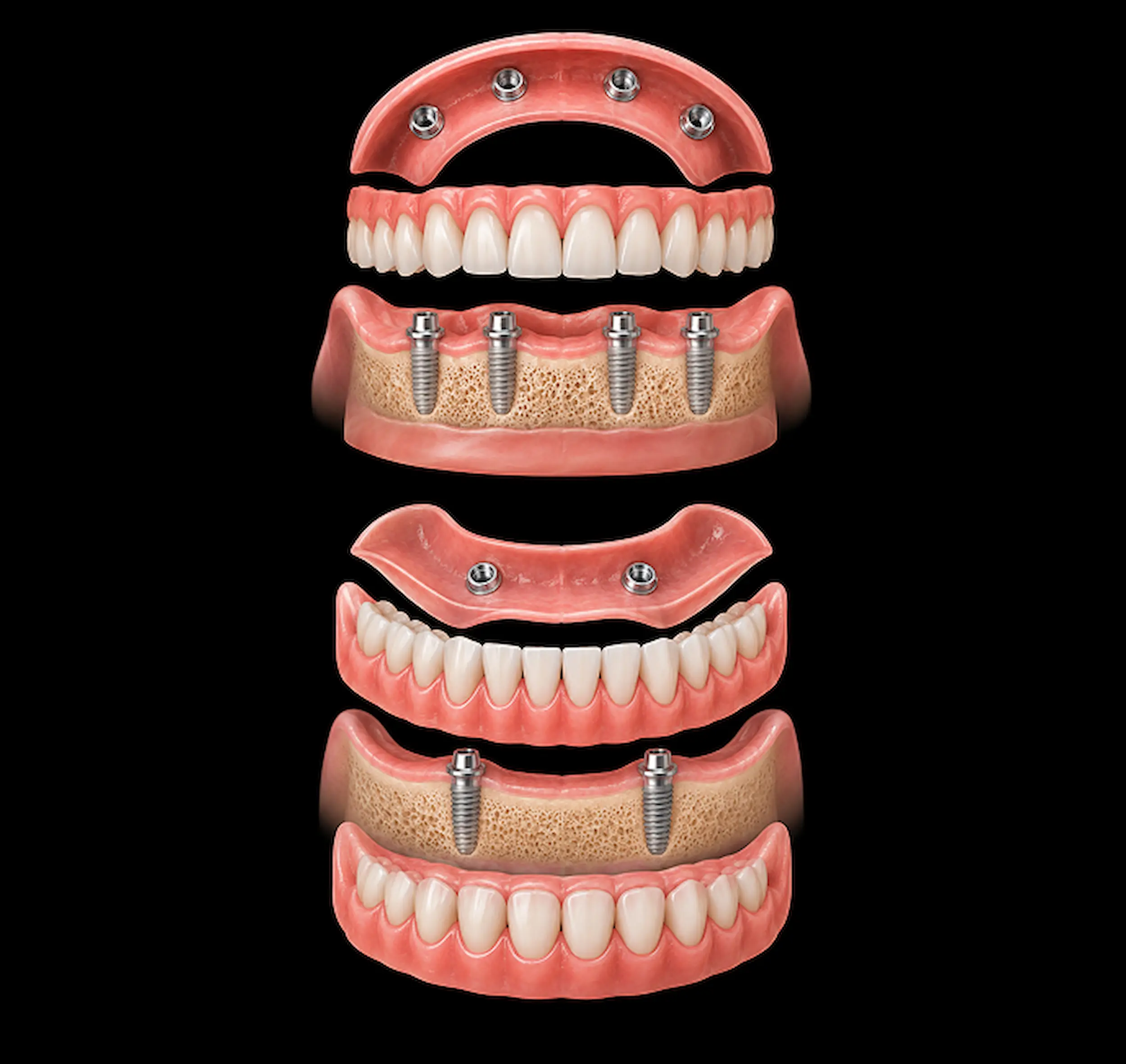
If you’re considering dental implants in Pleasanton, TX, it’s normal to wonder about the procedure, recovery, cost, and what to expect. Dental implants offer a long-lasting way to replace missing teeth and restore the function and appearance of your smile. These answers cover dental implant surgery, candidacy, recovery, and implant-supported tooth replacement at Pleasanton Dental Specialists.

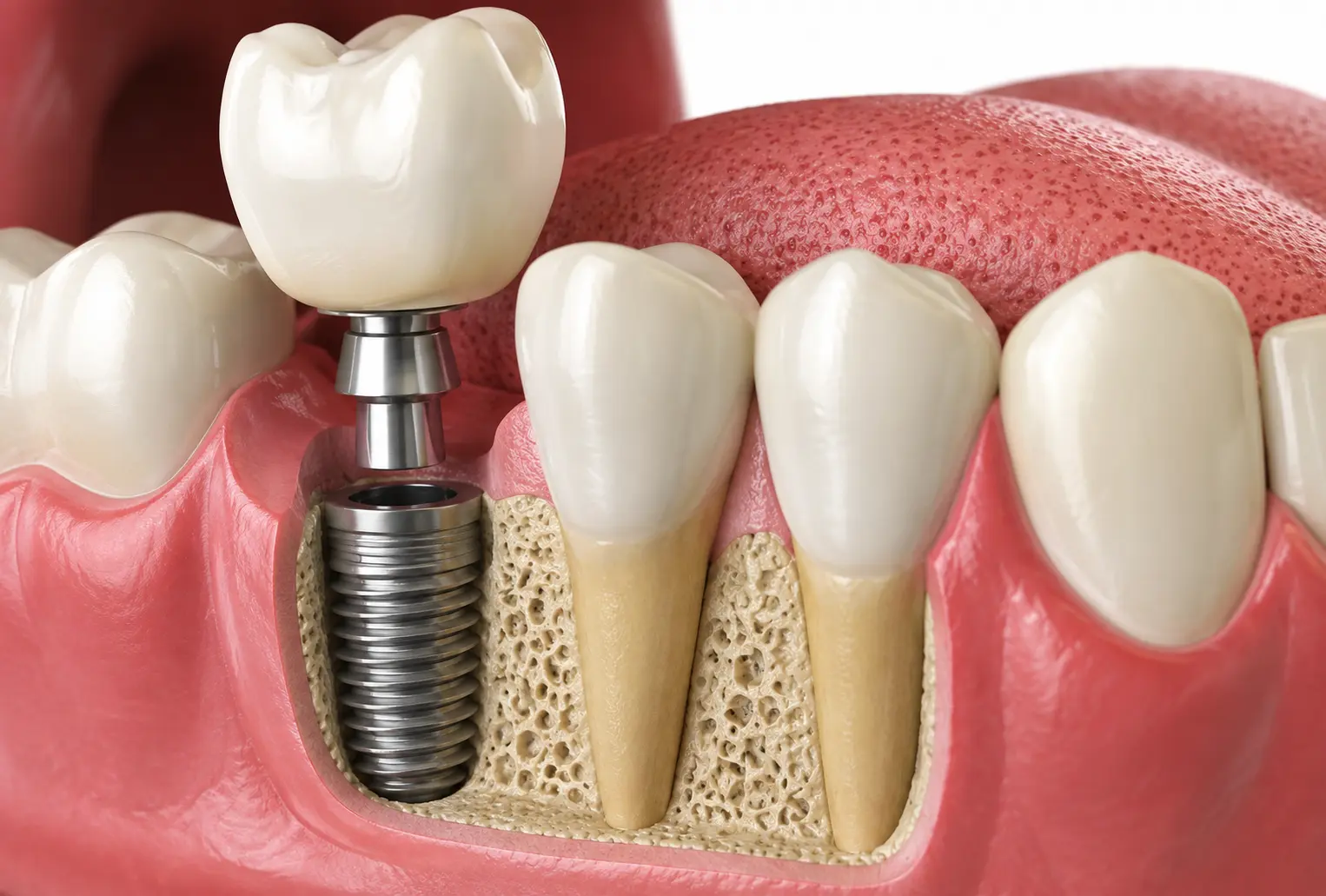
The crown or restoration attached to the implant may eventually need replacing due to normal wear. Brushing twice daily, flossing around your implant, and keeping regular dental visits all help. Following your provider’s recommendations protects your implant and oral health for years to come.
Some tenderness, swelling, or soreness is normal after dental implant surgery, but it’s typically manageable and improves as you heal. Our oral surgery team in Pleasanton, TX puts your comfort first before, during, and after your procedure. We’ll also give you detailed instructions for a smooth recovery.
Before placing an implant, our oral surgery team uses careful treatment planning and advanced imaging to evaluate your bone structure, oral health, and individual needs. Once healed, an implant provides stable support for your restoration. It also helps maintain the jawbone where the tooth is missing.
We use advanced 3D CBCT imaging to evaluate your jawbone, surrounding structures, and individual needs. If you need additional support, we may recommend a procedure such as bone grafting before implant placement. Our oral surgery team will create a personalized treatment plan with the safest and most effective approach for restoring your smile.
The surgical area begins healing quickly, but it typically takes several months for the implant to fully integrate with the jawbone. Healing time depends on your treatment, overall health, and whether you need additional procedures such as bone grafting. Our team will monitor your progress and let you know when you’re ready for the next step.
Routine dental exams and X-rays help monitor their development and catch concerns early. Are your wisdom teeth causing problems or short on room to develop properly? Our Pleasanton oral surgery team can evaluate them and let you know whether removal is recommended.
Wisdom Teeth FAQs
Questions about wisdom teeth removal in Pleasanton, TX are common, especially for teens, young adults, and parents preparing for treatment. We’re here to help you understand when wisdom teeth may need removal, what to expect during the procedure, sedation options, recovery, and aftercare. These answers can help you feel informed and confident about wisdom tooth extraction at Pleasanton Dental Specialists.
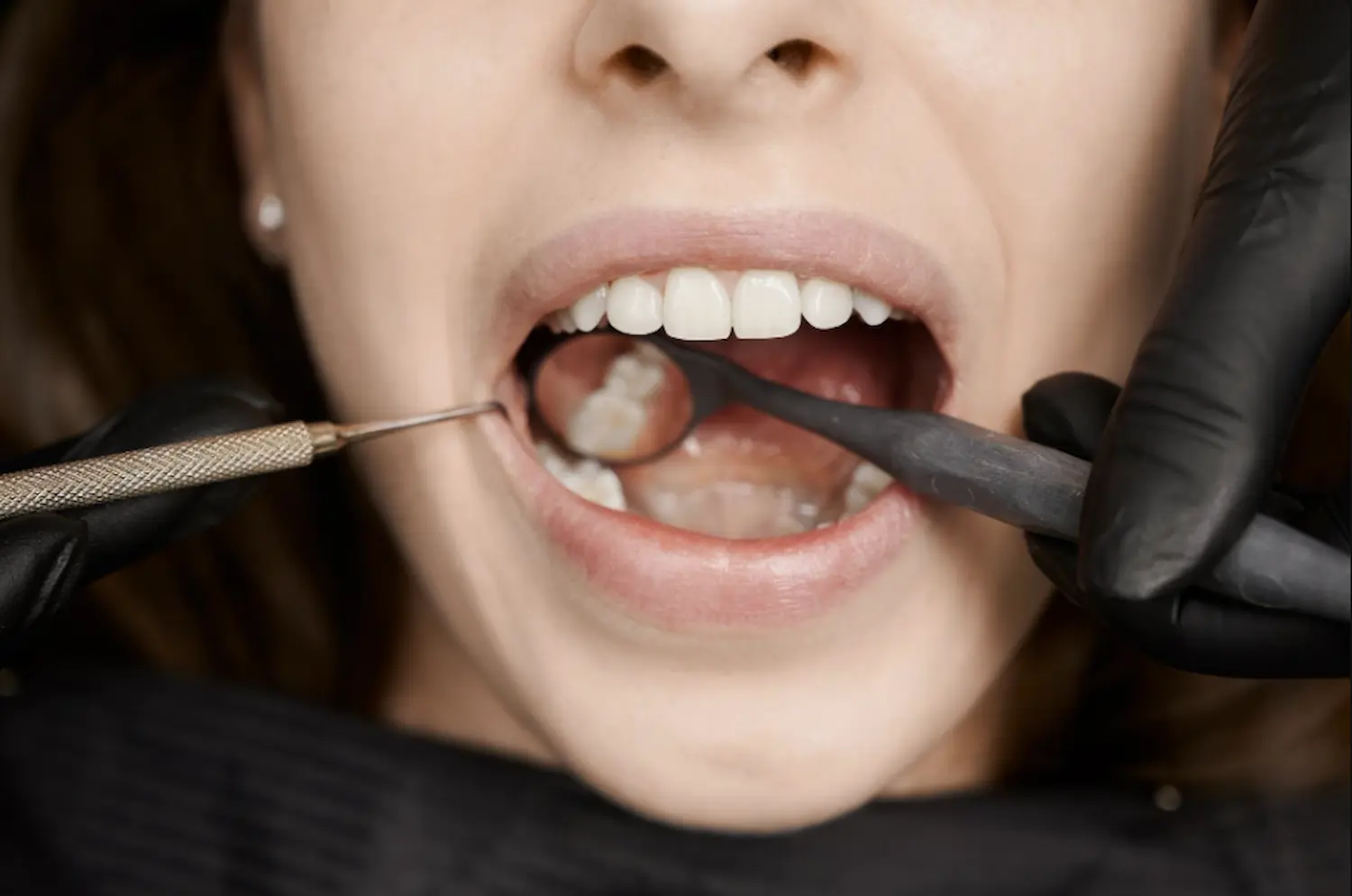
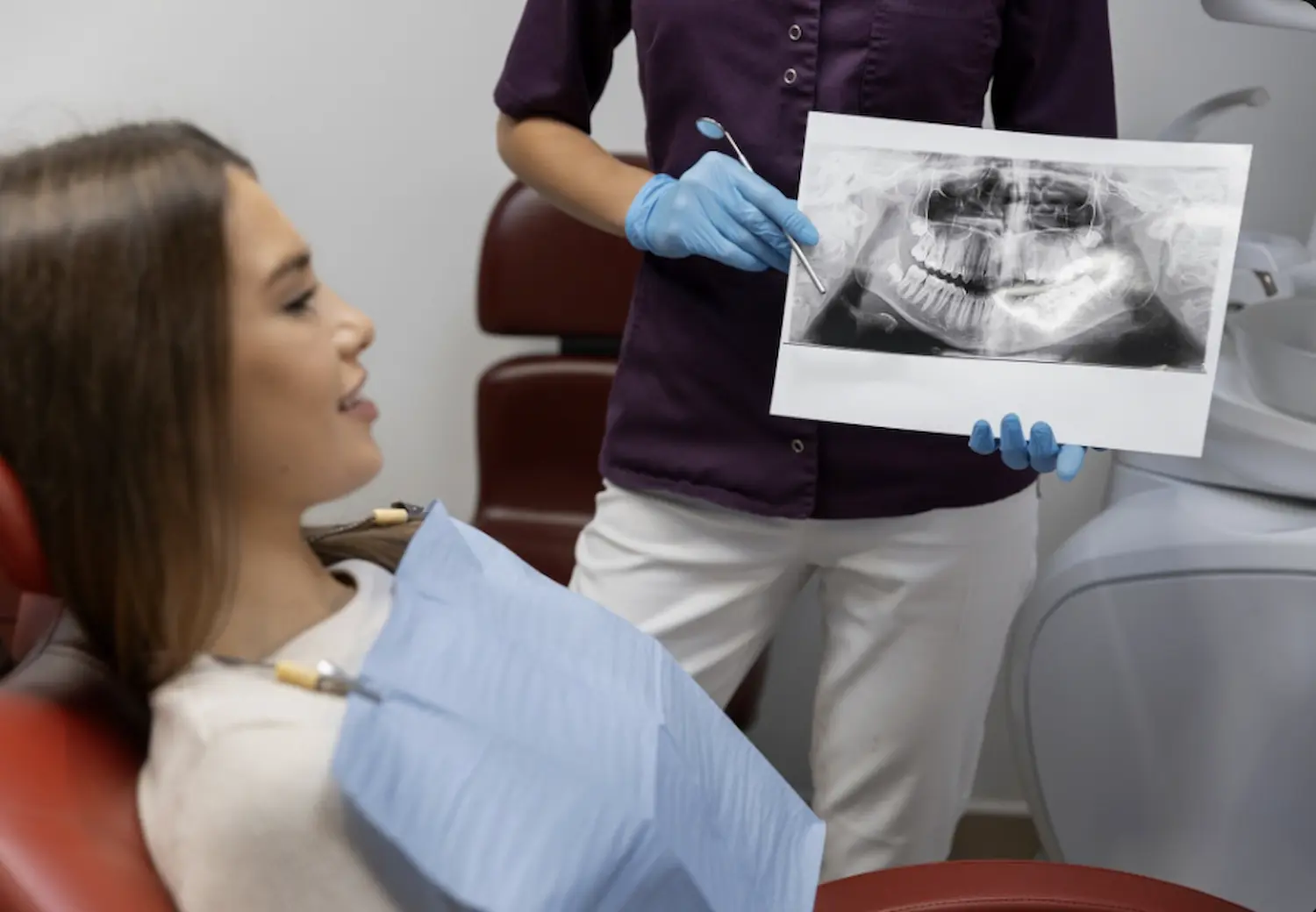
Regular dental exams and X-rays allow our Pleasanton oral surgery team to monitor your wisdom teeth and determine whether removal is recommended. If problems are developing, or there’s a high risk of future complications, wisdom teeth removal in Pleasanton, TX may help protect your long-term oral health.
Regular dental exams and X-rays help track wisdom tooth development and identify concerns early. Our Pleasanton oral surgery team can evaluate the position and development of your wisdom teeth. We’ll then recommend the right timing for wisdom teeth removal in Pleasanton, TX based on your individual needs.
Before treatment, our Pleasanton oral surgery team will review your options and explain what to expect. That way, you can feel comfortable and prepared for your wisdom teeth removal in Pleasanton, TX.
Wisdom teeth develop beneath the gums before they erupt. That’s why dental X-rays are the best way to see how many are present and monitor their position. If your wisdom teeth are impacted or could affect your oral health, our Pleasanton oral surgery team can evaluate them and advise on removal.
Our Pleasanton oral surgery team will provide detailed post-operative instructions to support a comfortable recovery. Many patients return to school, work, and normal daily activities within several days, while complete healing continues over the following weeks.
Pediatric Dentistry FAQs
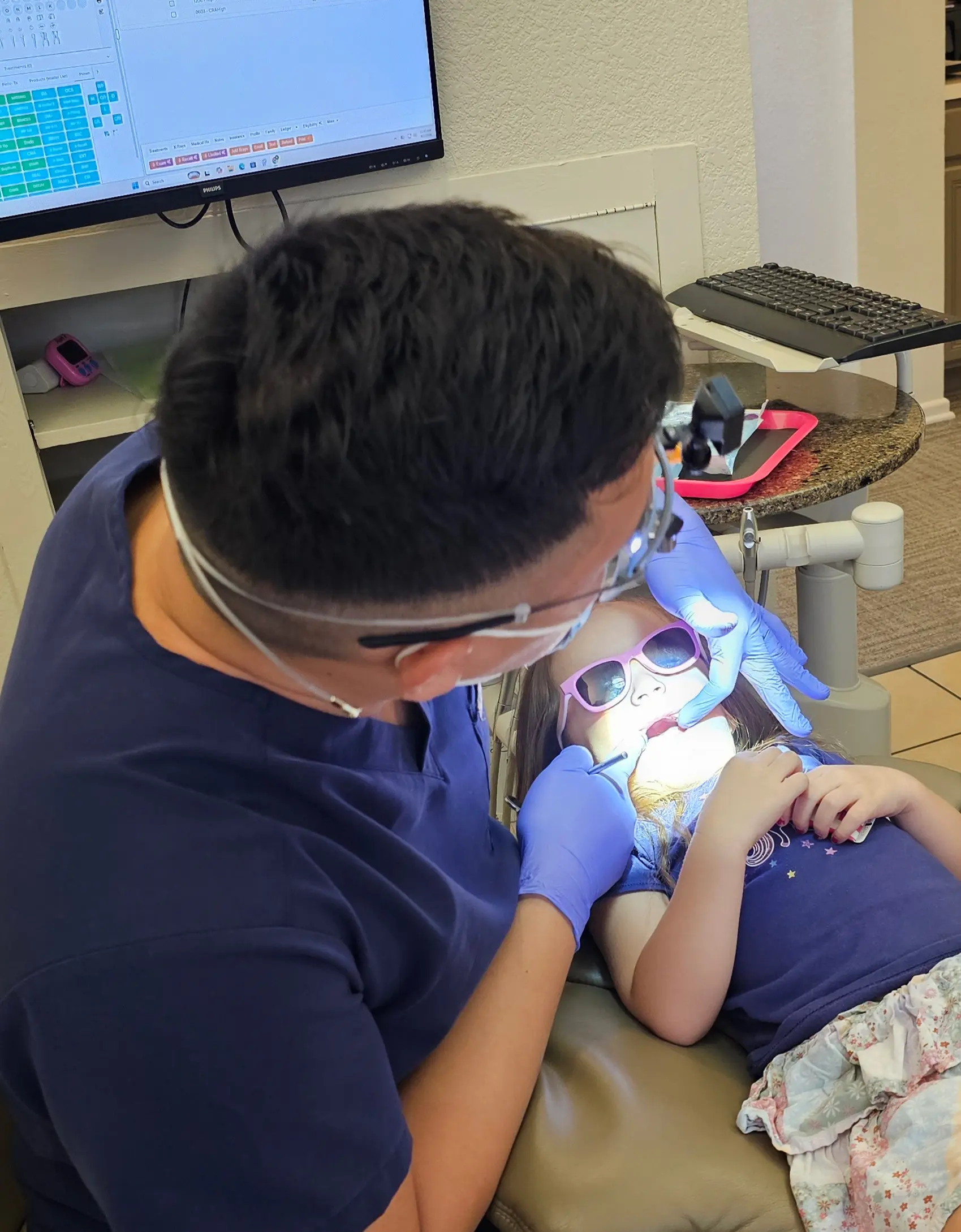
We know parents have plenty of questions about their child’s smile, and our pediatric dental team is here to make caring for your child’s teeth simple, comfortable, and stress-free. These answers about pediatric dentistry in Pleasanton, TX cover first visits, preventive care, fluoride treatments, dental sealants, cavities, and sedation options. You’ll also find tips for building healthy habits that last a lifetime.

Orthodontics FAQs
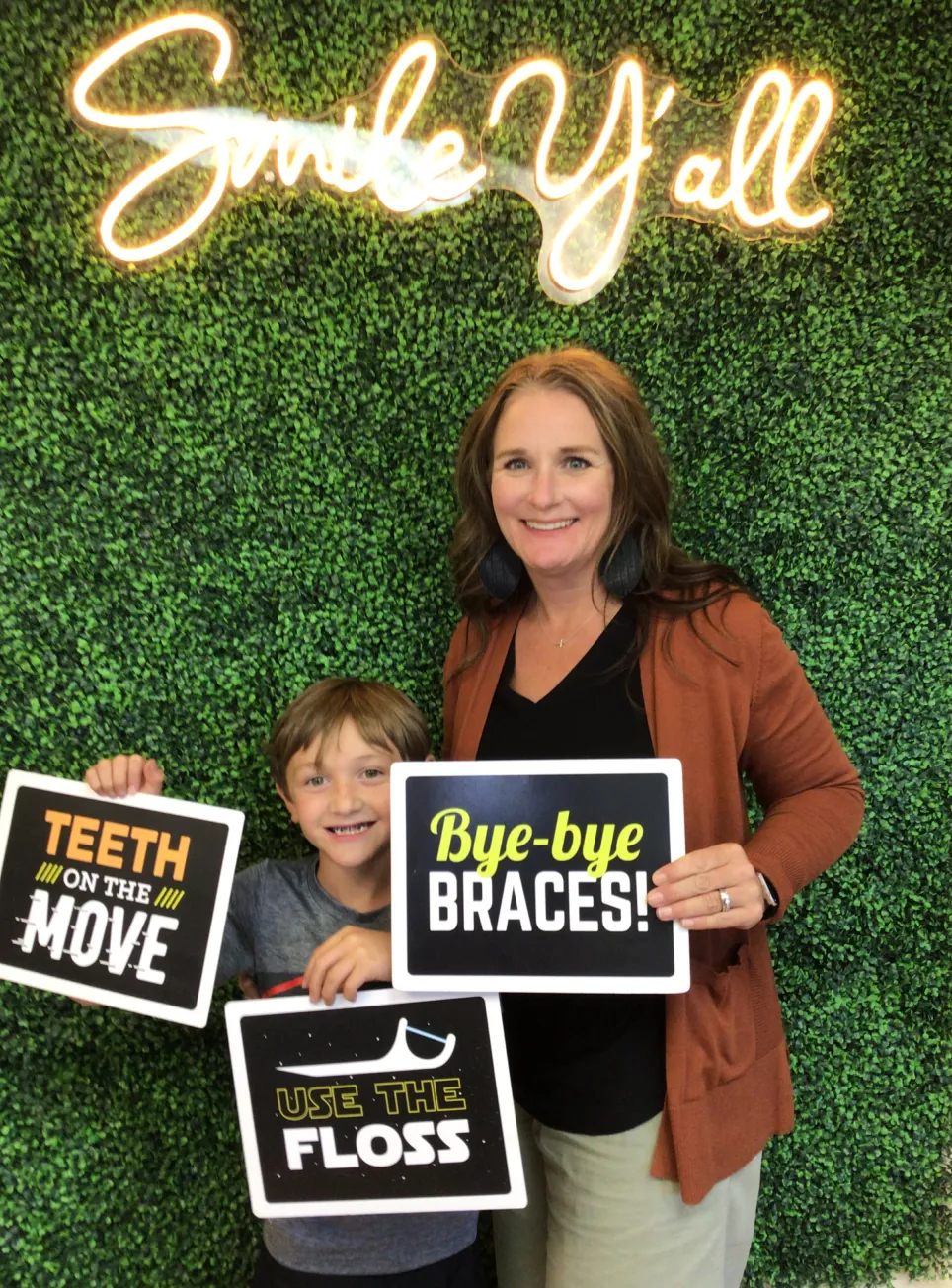
A straighter smile can do more than improve appearance: it can support better oral health, function, and confidence. These answers about orthodontic treatment in Pleasanton, TX cover braces, Spark™ Clear Aligners, treatment timelines, retainers, and what to expect along the way. At Pleasanton Dental Specialists, we help children, teens, and adults feel informed and confident about creating a healthy, beautifully aligned smile.


Have More Questions? We’re Here to Help 
Every smile is different, and our team is always happy to answer your questions. We’ll help you understand your options for pediatric dentistry, orthodontics, and oral surgery in Pleasanton, TX. Whether you’re preparing for a first visit, braces, or oral surgery, we’ll help you take the next step with confidence.


Let's Find The Right Treatment
For You Today!
Contact us or fill out our easy online appointment request form. We look forward to hearing from you!